Cabinet Shrestha
PERSEVERANCE
Lalitpur, 1965
I was born in Lalitpur in 1965 and went to school in Darjeeling — Mount Hermon, then St Joseph’s. My family was in politics; I went exactly the other way. Business was the easy option. I was never a job guy.
“When I got married, that’s when the pressure actually came for me to make some money.”
I don’t come from a business family. My idea was good, I had a good concept, the banks were there. I thought it would take four, five years.
It took seventeen
“It’s an Indian business — more about volume, number of vehicles, than margins. So I had to hit a figure, a decent figure, before I started making money. More than fifteen years. Nearly seventeen years I was in the red.”
Every rupee back in
Whatever money I made, I kept reinvesting into infrastructure, hiring and training. Not everything worked.
“I have a folder called failures… That’s just to remind me I’m not that smart.”
“People think, I can do business. You can see how many failures all across Nepal. Most important — perseverance. You have to give 100%.”
Shark Tank Nepal
The other side of the table
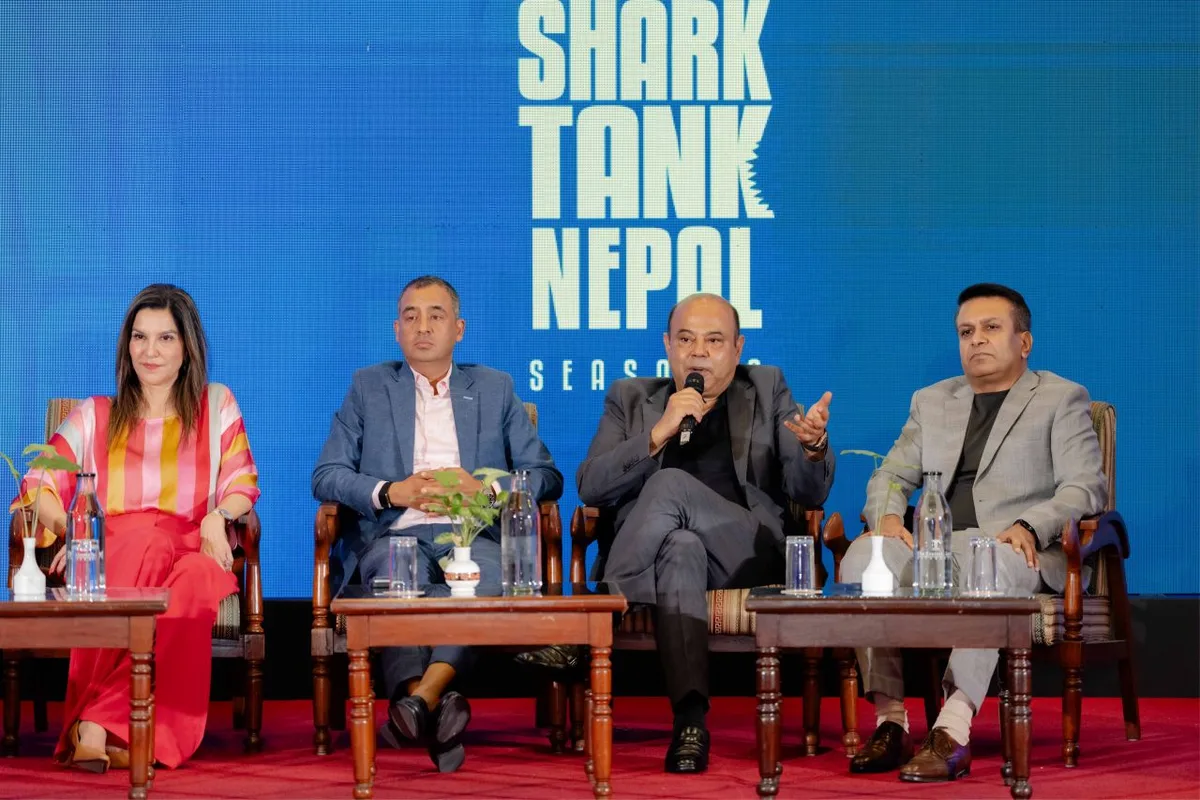
Season one went out on Himalaya Television from 2 July 2025. More than 1,500 businesses applied and 110 made it into the tank. I was one of the five sharks. I’m extremely camera shy — it was only my second time in front of a camera for that long — but I never get to interact with so many young entrepreneurs.
Season one · all five sharks
- Businesses in the tank
- 110
- Deals closed
- 35
- Committed by the panel
- 40cr
- Episodes
- 20
What I was looking at
“The idea and the innovative part, creative part was already there. But I looked at a lot of the person as a person. How honest did he look… how transparent he was with the pitch.”
What I backed






“20 lakh plus profit, म त ब्यापारी हो नि.”
What I took from it
In my office a deal takes at least seven days — due diligence, a report, discussions, meetings. In the tank you have an hour and a half to say yes or no, and then you honour it.
“Some went on for hour and a half — not because of the business part of it. We were wanting to learn… One and a half hours, we just question the person, just to learn.”
Season two
Season two goes out on Himalaya Television after Dashain 2026, with all five of us back. Himalaya TV puts its deals at around Rs 60 crore.
Since 1991
Agni Group
1990 · Before Agni
In 1990 I started Himalayan Business System — IT, telecom, office electronics. The multinationals were coming into India; until then the region had been run out of Singapore and Hong Kong.
“But it was too early.”
1991 · Mahindra
I was trading software when I met Alan Durant, then President of Mahindra. They were looking for a distributor in Nepal.
“Mahindra was not a very high-tech company. It was very very basic.”
I took it anyway: my focus was India, and India was opening up. Agni was incorporated on 16 November 1991, on about three million rupees — bank loans included.
Year one
I started the business by selling tractors and MUVs — jeeps like the CJ 350 and CJ 500. In the first year we sold five vehicles in Kathmandu and two outside it. The next year, fourteen in Kathmandu.
“People in rural areas were not confident about us because we were a new company.”
“Then I realised — Kathmandu is not Nepal. I need to move out.”
1991 → 2002
The road
Four vehicles that built Agni
Year: 1991





1993 · Armada
The first breakthrough
It seated about ten, and institutions and projects bought it. Our sales doubled.
<100 → ~200vehicles a year
1998 · Marshal
Doubled again
Then the Marshal, and the Savari after it. As the government pushed roads out into the districts, our sales doubled again.
×2again, with the road-building
2000 · Bolero
A brand by itself
Goods and passengers in one. It opened pickups and public transport to us.
“They will know Scorpio, they'll know Bolero — they will not know Mahindra.”
2002 · Scorpio
The turning point
It took us into personal vehicles — and it's the car that finally took me into the green.
200–300%growth
The three-hour rule
“Our target was every 3 hours this would be a Mahindra touch point. In Nepal when you drive for 3 hours it could be 60 km, or 200 km.”
An idea I copied from Sri Lanka: measure coverage in driving hours, not kilometres.
The turning point · 2008
Scorpio
75 vehicles in 45 days
It wasn’t a high-selling vehicle. Then came the first Constituent Assembly election, and the UN needed 75 vehicles in 45 days. The bigger companies — Toyota, Mitsubishi — couldn’t supply in that time. We weren’t even on the UN’s supply list, and I took the order. The condition: when the UN was done with them they’d be auctioned, and I had to buy back the first lot myself.
A year later I picked up the first 22. By then people had decided they were special — bulletproof, fancy, full of gadgets.
“The second-hand UN vehicles were selling higher than what we were selling new vehicles.”
That really popularised the Scorpio.
And we made our first profit.
What I’ve learned
Lessons
Look at the comfort inside
It goes back to people. Think about where you spend your time from the moment you get up: your bedroom, your bathroom, your workplace, and wherever you eat. The drawing room is for others. You only sit in it when guests come.
A lot of people go for the outside, the part they can show others. You have to look at the comfort inside. An office is the same: if you’re comfortable, you stay. If you can’t get a coffee when you want one, that’s a problem.
Guide, mentor, and watch
At the start you have to figure it out yourself, all the ins and outs. Once it’s stable, it won’t work without a system. When we opened a second branch it was all trust and no systems, and it was hard to let go of my roles. You feel no one does them as well as you do.
But you have to let people take over. You guide, you mentor, and you watch. Today it’s all software, all digital, and I’m not needed day to day.
“If you track it, it happens. If you don’t track it, it doesn’t.”
On what matters after the money goes in First-hand knowledge
I travel the country end to end, by plane, by car, and in some districts on foot. Places change. Some boom and some stall, and you need to see it first-hand. I look at the roads, at one-storey houses becoming three storeys, at whether they’re well painted. And I talk to people in the tea shops. In our typical Nepali style, you get feedback.
“All brand new houses, all big houses, all painted well. Local economy is doing well… You can see it. You can feel it.”
On one place, on a trip I don’t believe in snatching
At a certain level, some bigger shark will come along and take what you have. It’s normal; it’s part of the game. But you’ll never find me writing an email to somebody’s company. If a company comes to me unhappy with its partner, looking at three and with me on the shortlist, I’d be stupid not to say yes.
There’s no smooth road
I’ve done it myself: I took one of my businesses back to scratch, to zero. It doesn’t matter when. Anyone can go back and start from zero. One bad decision can sink you, and one good decision can make you successful again. We see it every day. So of course you have to take risks.
Make your own vision
One more tip, to end with. As a founder, make your own vision and your own mission, your code of conduct, your working ethics. The rest will all fall in place.
Now
Agni Group
- Companies
- 11
- Logistics centres
- 4
- Charging stations, set up before launch
- 30
Electric
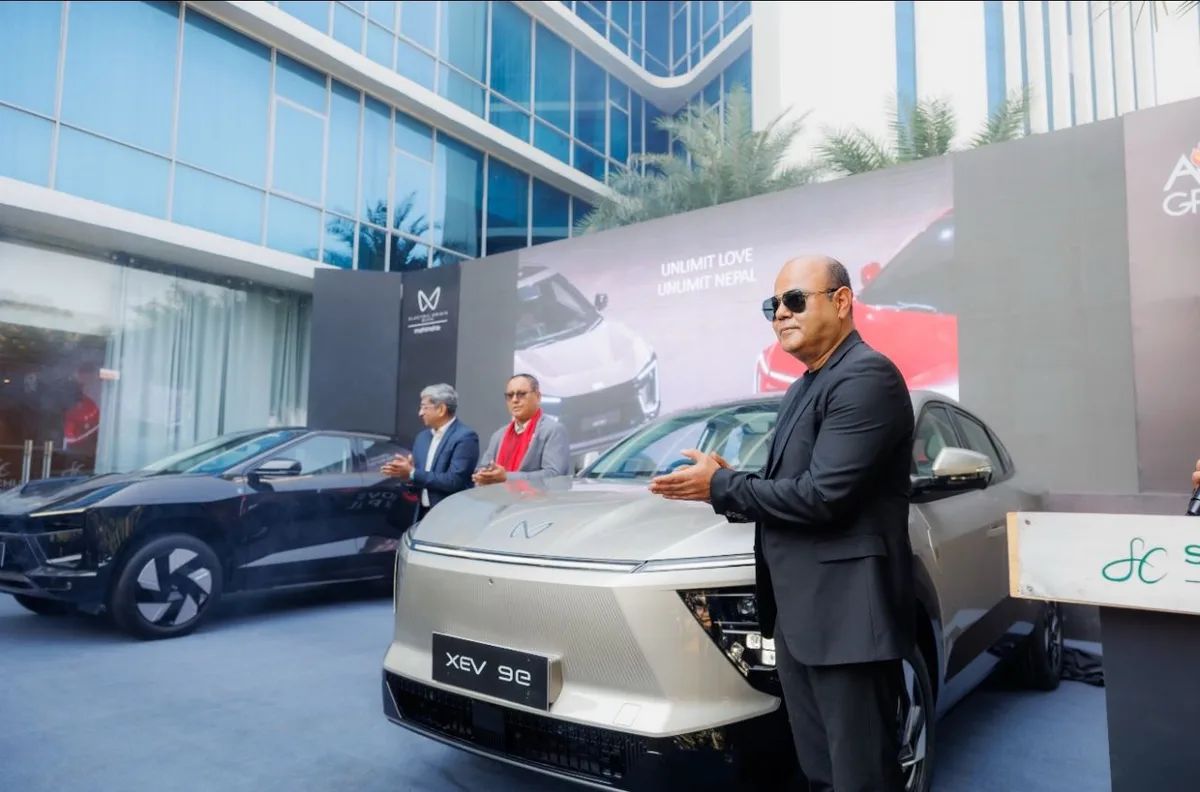
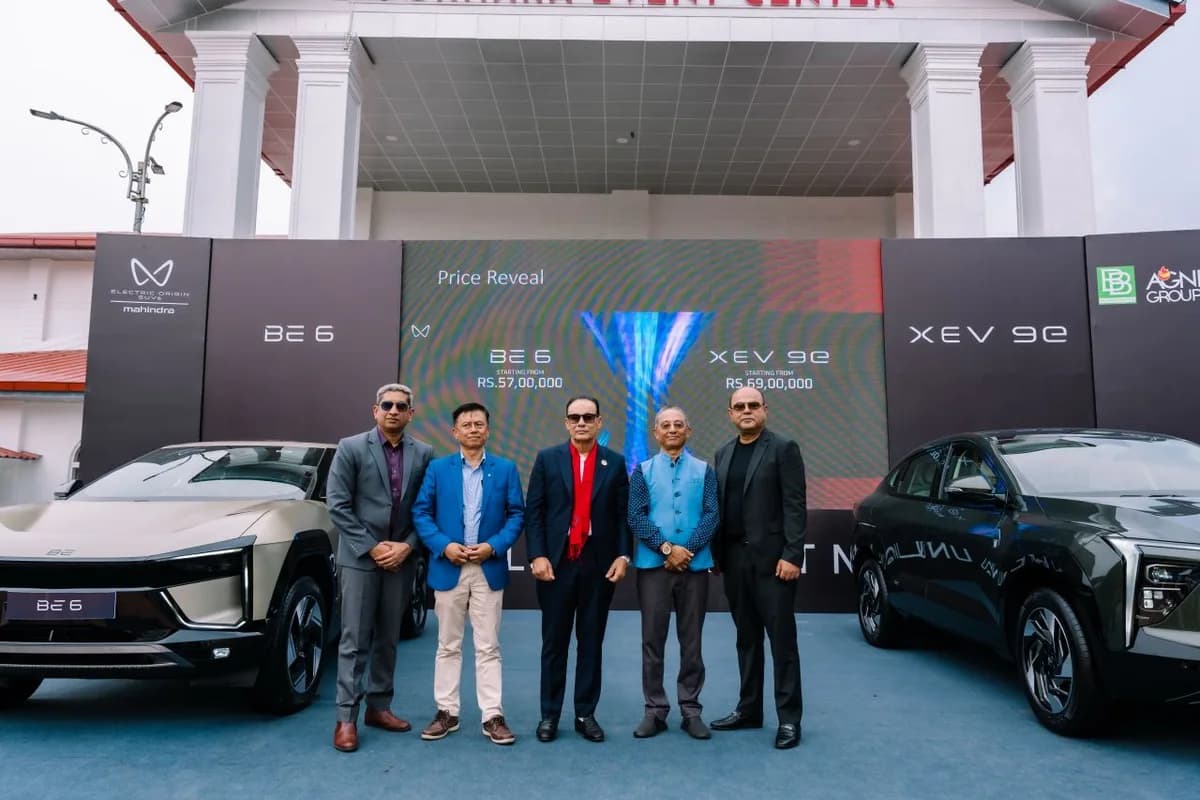
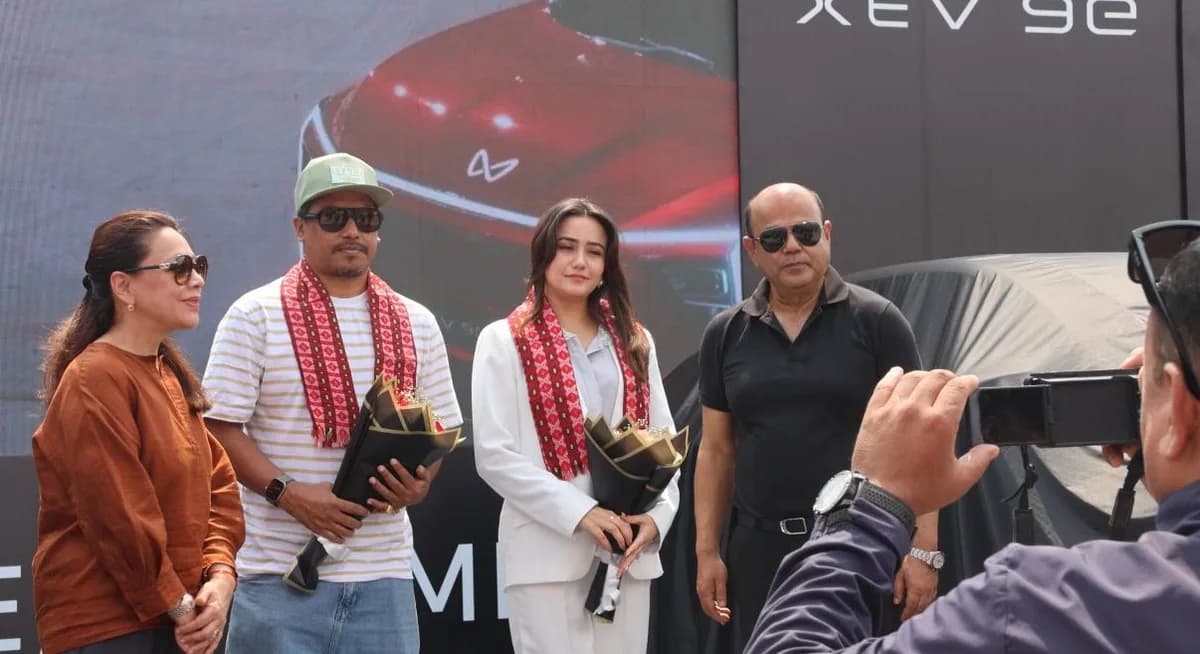
We’ve brought two of Mahindra’s electric SUVs to Nepal, the BE 6 and the XEV 9e. Before launch, test cars went around Nepal, usually 10,000 kilometres each. And a month before launch we already had 30 charging stations, all over Nepal and not just inside the Ring Road, with 30 more on the way.
Logistics
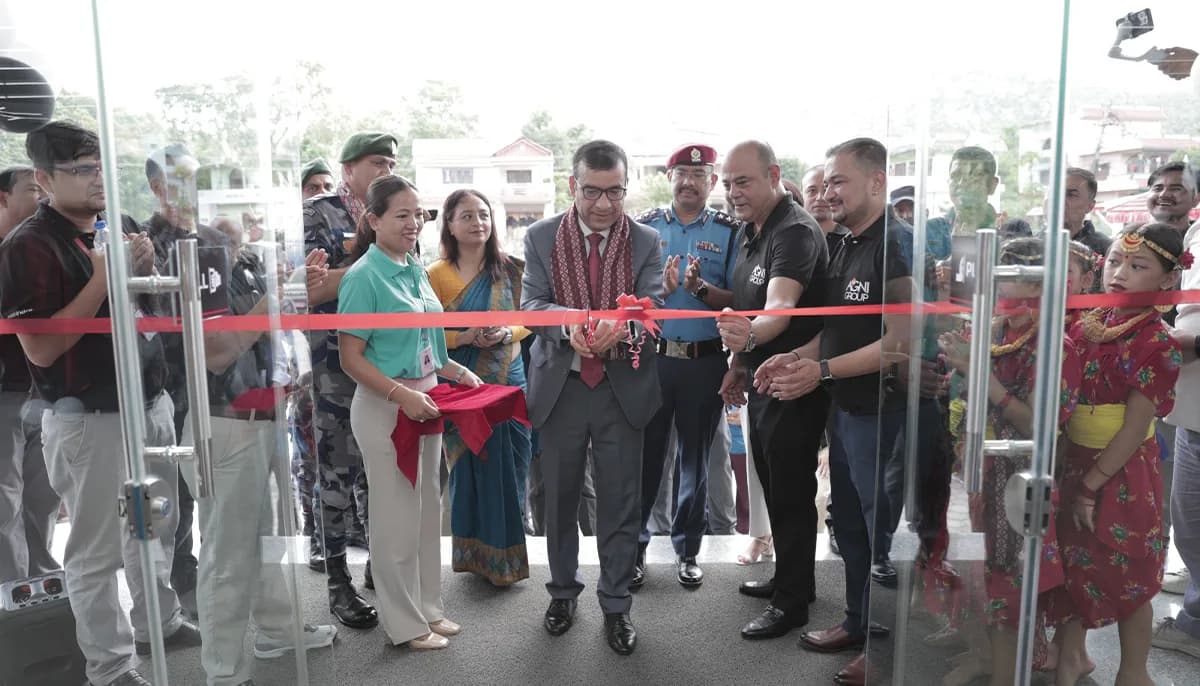
In July 2025 we opened a logistics centre in Hetauda. With Kathmandu, Rupandehi and Itahari, that makes four. It’s storage for anyone: you can rent a single block for as little as seven days, and we’ll move it, store it, pack it and break it down. As a distributor, it’s also how we make sure parts reach our customers.
On air
Season two of Shark Tank Nepal starts on Himalaya Television after Dashain: two episodes a week, at 8 pm.
In pictures
Gallery


Connect
Let’s talk
Write to me.